Introduction – The Role of Dairy Processing in a Net-Zero Future
Decarbonizing dairy across the full supply chain is critical to achieving global climate targets. Dairy processing, as a key link between farm and consumer, plays a central role in this transformation. It is one of the most energy- and resource-intensive stages of the value chain, yet it offers significant opportunities to cut emissions through efficiency improvements, electrification, and integration of renewable energy.
The P2DNZ Dairy Processing Task Force was launched in 2023 with industry leadership from Tetra Pak, as a pre-competitive global forum dedicated to helping the dairy sector rapidly reduce Scope 1 emissions, those generated directly from processing operations. This collaborative effort reflects a shared commitment to innovation and transparency, ensuring that solutions are practical, science-based, and aligned with global net-zero ambitions.
Lower energy and water use translates into cost savings and operational resilience, therefore cutting carbon footprints supports climate goals and strengthens trust in dairy as a sustainable source of nutrition. Innovation in dairy processing can help build a more efficient and climate-resilient food system while continuing to deliver the nutritional benefits of dairy.
Direct UHT milk processing in focus: products, process, and challenges
Ambient dairy processing produces products that can be stored at room temperature for extended periods without refrigeration. This is achieved through ultra-high temperature (UHT) treatment, where the product is briefly exposed to very high heat and then rapidly cooled. Direct UHT systems inject steam into the product for fast, efficient sterilization while preserving taste and nutritional quality.
These lines typically produce long-life milk, cream, flavored dairy drinks, and other dairy products . The main advantages are food safety and extended shelf life, which reduces reliance on cold chains and helps prevent food waste.
The challenge: traditional ambient lines demand high thermal energy, water‑intensive Clean‑in‑Place (CIP) cleaning cycles and sterilization, while recovery systems for heat and water are often underused.
Building on Taskforce discussions, a set of proven, ready‑to‑deploy solutions has been identified to drive carbon reduction, water efficiency, and loss prevention for this line.
Ready-to-deploy solutions for Direct UHT milk processing lines
Reducing Energy Consumption
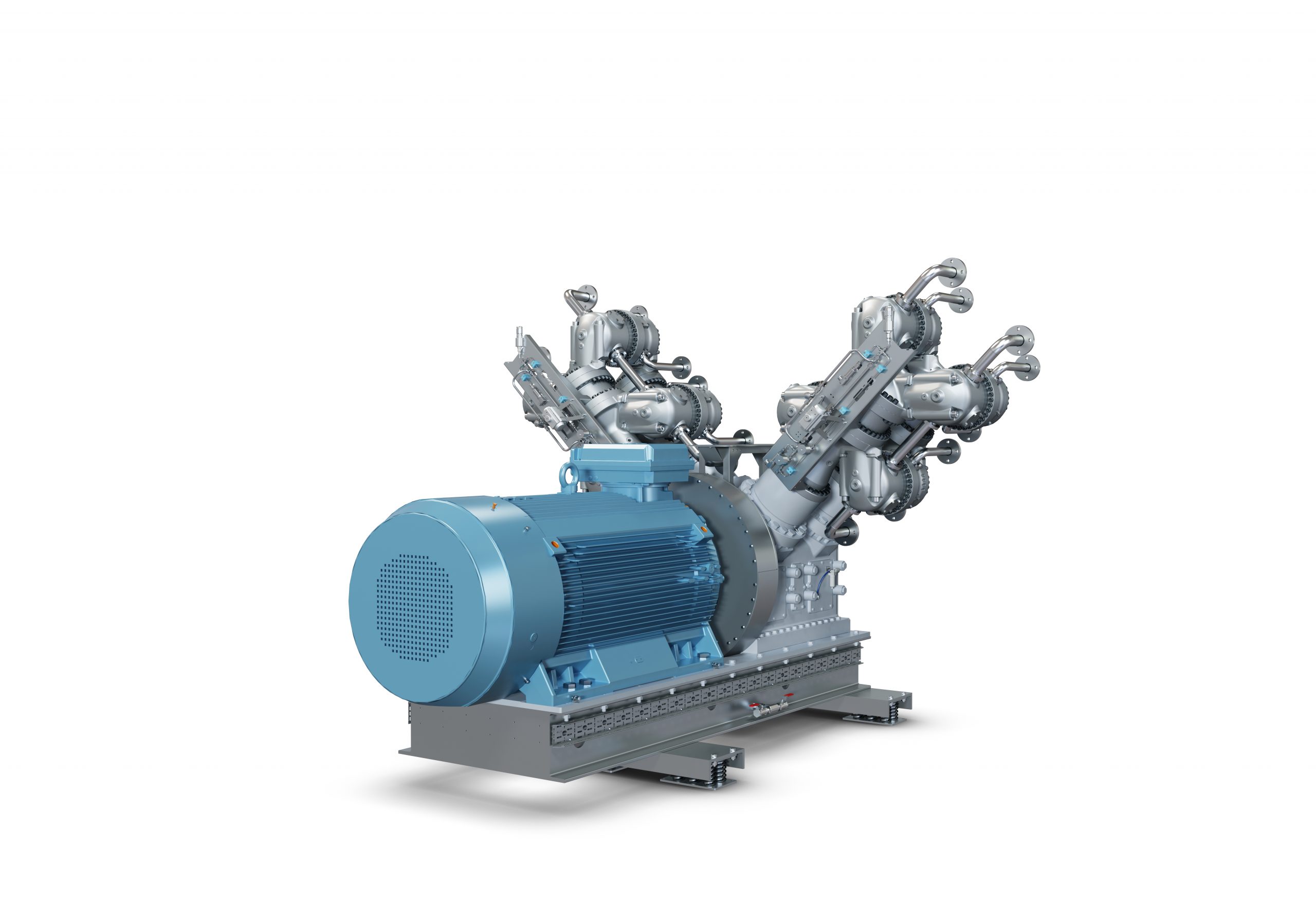
Heat Pumps for Heating & Cooling
- Provide combined heating and cooling with much higher efficiency than separate systems.
- Recover waste heat from air, cooling systems, or ambient environment.
- Can deliver heating up to 95°C, with emerging technology reaching 200°C.
Reducing Water Consumption
Condensate Recovery
- Condensate originates from evaporators, dryers, and direct heating systems.
- Contains small traces of product → treated via reverse osmosis (RO) filtration for reuse.
- Condensate is hot, enabling energy recovery as well.
Reuse of Recovered Water
- Reuse depends on microbiological and chemical quality, plus local food regulations.
- High-quality water applications:
- Process water (food-contact)
- Pre-rinse during start-up
- CIP make-up water
- Lower quality uses:
- Floor cleaning
- Cooling tower water
- Non-food-contact applications
Reducing Product Losses
White Water Recovery
- Originates from milk flushes in tankers, silos, pasteurisers, filling machines, and pipelines.
- Early phase contains a milk–water mix (~⅓ milk, ⅔ water) that cannot be reused directly.
- RO allows separation of milk solids and water:
- Recovered milk solids can be directed to ice cream, yoghurt, cheese, or other fermented products (subject to regulations).
- Recovered permeate water can be reused depending on quality (e.g., process water, boiler water, rinsing).
- New generation of UHT CIP version 3 – water
Estimated impact: carbon, water, and loss reduction
Tetra Pak have worked with the Carbon Trust, who have reviewed and aligned the assessment with best practice frameworks like the WBCSD’s Avoided Emissions Guidance and the Net Carbon Impact Methodology from the European Green Digital Coalition.
This assessment compared best available lines from 2019, used as a representative of traditional lines, with market-ready solutions in 2025 for carbon, water, and product loss reduction, like the ones described in this document.
Implementing a recommended set of best practice solutions across an existing direct UHT milk processing lines can reduce emissions by up to 49% compared with a best-available line in 2019. At a global level, this could deliver potential annual savings of 1.2 mtCO₂e in 2025 if applied across all direct UHT milk processing lines worldwide. Actual impact may vary by site, and reductions could be from 49% up to 58% in facilities powered by 100% renewable electricity.
Water use can be reduced by up to 32%, and product losses by up to 59% compared to 2019 benchmarks.
Scaling solutions: the role of policy and investment
Meeting global climate targets demands urgent action in food systems, and dairy processing is a critical lever.
Deploying available solutions at scale can lower operating costs, improve resource efficiency, and strengthen competitiveness. With supportive policies and targeted investments, the sector can attract green financing, create jobs in clean technology, and position dairy as a leader in sustainable growth. With the right policies and partnerships, we can make this stage of the value chain more sustainable and resilient, ensuring dairy processing becomes more sustainable while maintaining the sector’s economic viability.